
Advancing Forensic Media Workflows with Intelligent Video Processing
Forensic investigators in contemporary forensic environments use advanced digital tools which enable them to transform unprocessed video content into usable investigation results. Law enforcement and forensic professionals use platforms which now offer a complete analytical workflow through their combination of Video Upscaling and AI redaction software tools. The digital evidence processing system requires these capabilities as essential components which operate as fundamental elements for processing digital evidence. Advanced video intelligence systems need to improve visual quality from surveillance review through courtroom demonstration by protecting important evidence and confidential information.
Digital media evidence processing requires organizations to develop methods which can handle increasing evidence volumes through structured and expandable and legally defensible processing systems. The purpose-built intelligence platform combines automated enhancement with privacy protection and investigative workflow management capabilities to create a secure environment for forensic operations which handles these particular challenges.
The Operational Value of Video Enhancement
The system uses Video Upscaling as its main process which generates higher-resolution images from low-quality source material that contains compressed or low-quality content. Body-worn devices and mobile recordings and surveillance cameras use recording equipment which operates under challenging conditions of insufficient light and limited bandwidth. Investigators encounter pixelation and compression artifacts and they find difficulty in seeing important details in crucial frames.
Video Upscaling uses structured reconstruction models to enhance visual clarity through the process of edge enhancement and texture refinement and overall image definition improvement. The process allows forensic analysts to obtain more precise findings from footage which would otherwise be unusable. The process increases visibility of license plates and facial features and object outlines and environmental elements without causing distortion which would violate evidential protocols.
The forensic-grade system provides essential enhancement capabilities which stop chain-of-custody violations through processes that create repeatable outcomes. The system requires complete documentation for all changes which need to be traceable through technical methods which can prove their validity. All changes to the system require complete documentation which needs to be traceable and defensible through technical methods. Video Upscaling allows proper system operation by enabling accurate analysis results which maintain evidence authenticity.
Automating Privacy Protection and Disclosure Compliance
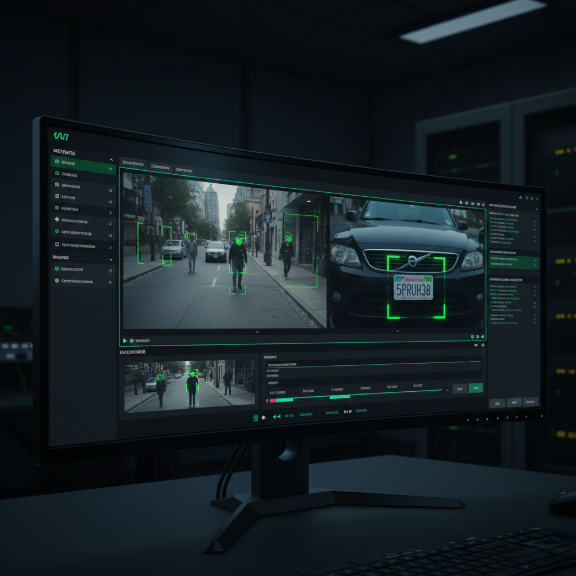
The automatic video protection process uses AI redaction software to identify sensitive information and mask it from view. Footage from various investigations includes uninvolved individuals and displays of confidential data and vehicle identifiers and protected locations. Long videos require manual redaction work which takes multiple hours to complete because it requires multiple manual verification steps.
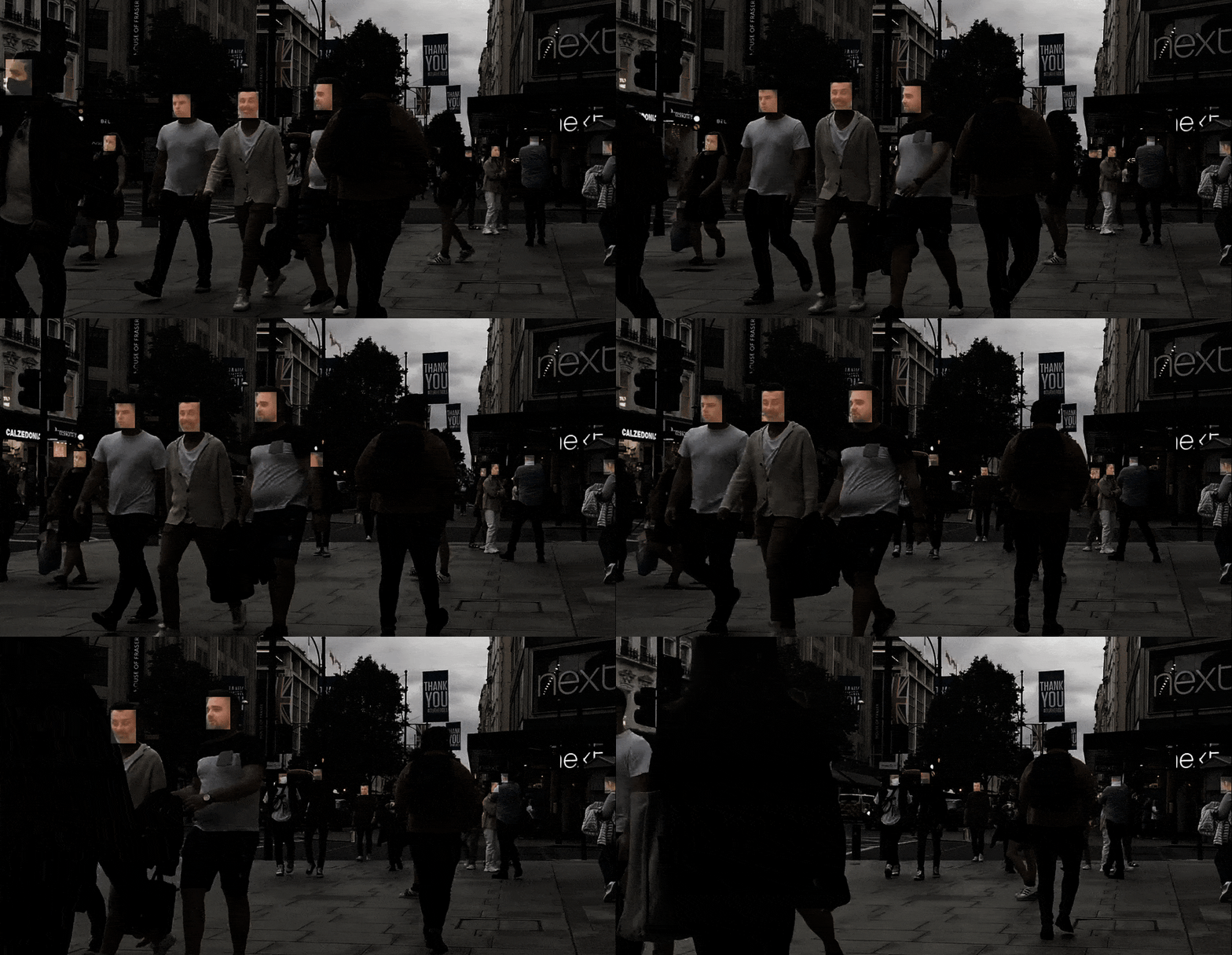
Modern AI redaction software uses object detection and tracking algorithms to track face and screen and license plate and sensitive elements across all frames. Security between elements occurs through the obscuring process which allows element protection while keeping the surrounding footage intact. Automated systems use tracking technology to protect redacted content from disappearing when subjects move their location or when the camera angle changes.
Agencies must meet public disclosure laws and internal privacy regulations and court requirements through this capability. Redaction technology in intelligence workflows allows investigators to prepare media for public release or presentation without creating security risks which could expose operational secrets or protect personal information. High-volume workload automation helps maintain procedure standards while it reduces processing time of work.
Integrated Intelligence Architecture
Investigators increase their efficiency when they use both Video Upscaling and AI redaction software within the Common intelligence system. Forensic professionals can work in a single space which enables them to enhance and analyze and annotate and redact media without needing to export files between different unconnected platforms.
The integrated system enables a structured workflow which includes these operations:
- Secure evidence ingestion
- Controlled enhancement processing
- Analytical review and annotation
- Automated redaction
- Export with audit documentation
The platform streamlines procedures through its consolidated function which combines multiple operations into a single system. The analysis process allows analysts to track each transformation step from the first intake of materials until they reach the final output stage. The system logs all adjustments which creates transparent record keeping for legal purposes.
The intelligence framework extends beyond enhancement and privacy protection capabilities to enable case organization and metadata handling and team member review of cases. The investigative teams use systematic methods to handle large amounts of video evidence while they maintain strict procedural standards.
Designed for Law Enforcement and Forensic Professionals
The forensic intelligence platforms provide professional-grade tools to their users through their construction as specialized systems which exceed consumer-grade editing software. System architects built the system with security and auditability and procedural compliance features as basic structural elements. The access control system prevents unauthorized access while the processing logs create a complete record of all file operations.
The purpose of Video Upscaling goes beyond visual enhancement because it helps investigators obtain accurate results which comply with strict evidentiary requirements. The AI redaction software provides users with a privacy filter function but it also serves as a compliance tool which makes sure users follow proper disclosure processes.
Scalability is another key requirement. Agencies handle thousands of media files which they need to manage across their different cases. The intelligence solution needs to process multiple files at once while handling large file sizes and extended-duration recordings without any loss of system performance or ability to trace back operations.
Forensic professionals can concentrate on their analysis work because the system unites enhancement and redaction and case management functions into one complete ecosystem.
From Evidence Intake to Courtroom Presentation
The video upscaling process enables analysts to extract more analytical information from the original material through its application on low-resolution and compressed recordings during the intake process. Analysts can select specific frames to enhance and preserve their progress through the platform’s auditing system. The process enables all enhancement operations to be documented for everyone to understand and repeat the process.
AI redaction software protects sensitive information through its redaction process which obscures all elements before evidence gets shared or shown in court. The system produces export-ready documents which contain details about the complete processing procedure. The evidence reliability of digital media improves through the combined strength of clear presentation and adherence to rules.
Intelligent video processing takes raw footage and transforms it into usable investigative components. The secure forensic system enables agencies to handle digital evidence through its built-in enhancement features which protect privacy during evidence processing.
As digital media continues to dominate investigative workflows, advanced intelligence systems will remain central to forensic operations. The strategic integration of enhancement and automated redaction ensures that agencies can extract maximum evientiary value while upholding professional standards and legal obligations.
Strengthen Your Investigations with Advanced Video Intelligence
Conclusion
Agencies currently face their most challenging video evidence situation because they must handle more video evidence than ever before. Modern forensic workflows need efficient evidence processing which enables them to both clarify evidence and protect its integrity.
Analysts can recover finer visual detail from low-resolution footage by using advanced Video Upscaling capabilities which maintain the evidentiary integrity of the original footage. The process enables better document readability through controlled forensic application which creates court-admissible documents.
Evidentiary handling standards and privacy compliance both require exact execution for organizations. AI redaction software creates essential operational functions for organizations. Forensic teams can use automated redaction processes to protect identities and sensitive data through reviewable processes which maintain the original material’s integrity instead of needing manual frame-by-frame masking.
Talk with experts for Forensic video Processing Software and Forensic Image Processing Software solutions. Contact Cognitech! We hope you enjoyed this Blog! Stay tuned, and don’t miss the coming blogs. You can follow us on Twitter, Facebook, Instagram, Linkedin, or Youtube: we post Community Blogs regularly so you won’t miss any!
FAQs
- What is Video Upscaling in forensic investigations?
The Video Upscaling process increases low-quality footage resolution to create better visual quality while maintaining evidence protection. Investigators can better study facial features and license plates and timestamps and scene elements through this method. - How does AI redaction software support law enforcement?
The AI redaction software system automatically identifies and protects important information by blocking out visible assets which include faces and screens and license plates and bystanders in surveillance videos. The system achieves privacy protection goals while preserving complete evidence for law enforcement investigations. - Is video upscaling admissible in court?
Video Upscaling becomes acceptable in court when experts execute it through approved forensic methods and established enhancement techniques. The courtroom needs complete audit trails together with chain-of-custody documentation to accept evidence. - Can AI redaction software handle bulk video evidence?
Yes. The advanced AI redaction software system processes extensive digital evidence collections by automatically detecting objects and creating redacted copies of multiple files with precise results. - Who should use forensic video intelligence tools?
These tools serve law enforcement agencies and forensic laboratories and intelligence units and investigative professionals who need dependable enhancement and redaction abilities which comply with legal requirements for their work.